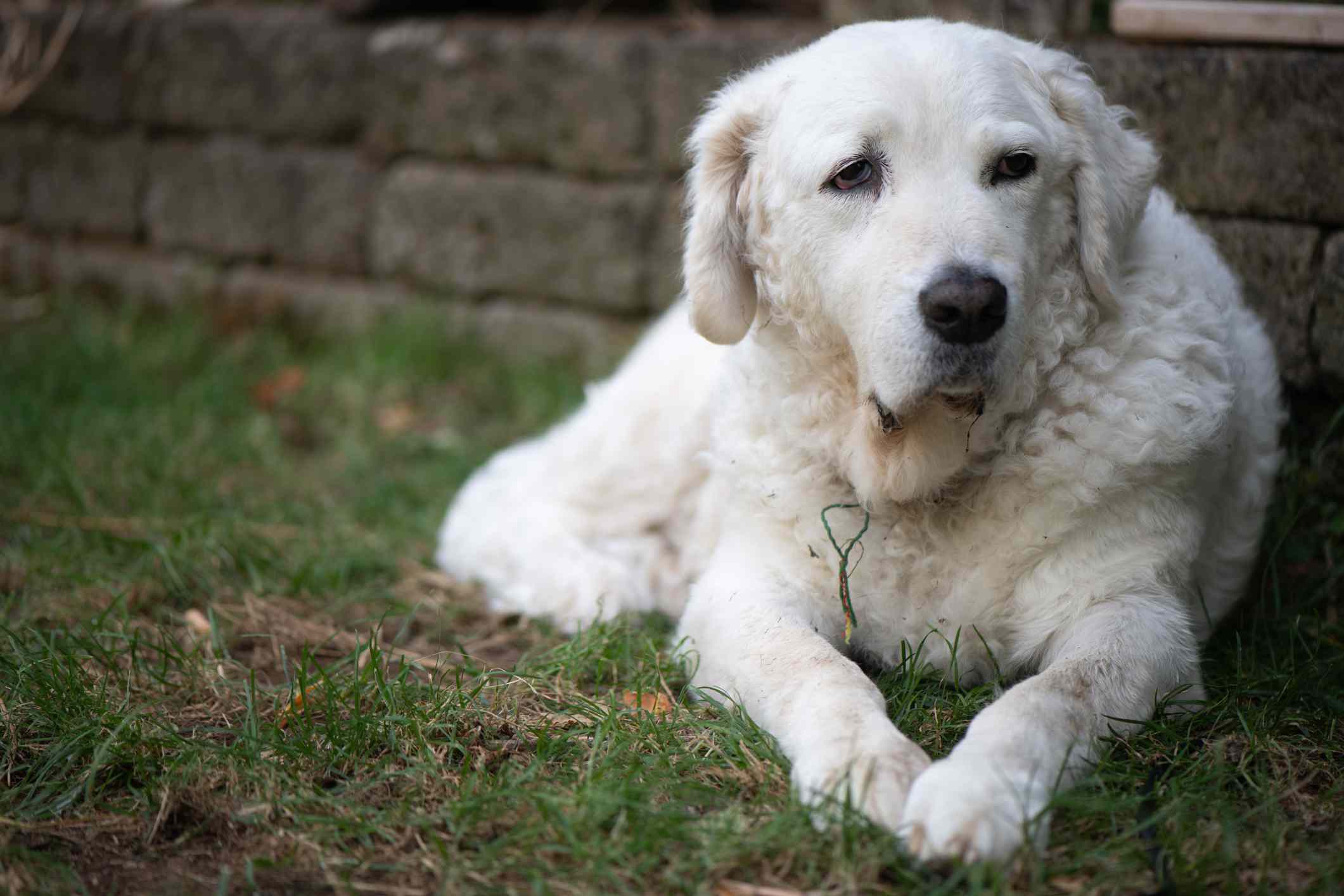
The Beauty of Single Coat Dog Breeds
If you’re looking for a dog that’s relatively low-maintenance when it comes to grooming, consider a single-coated breed. These dogs have a single layer of fur, which means they shed less frequently and require less frequent brushing than their double-coated counterparts.
What’s the Difference Between Single and Double Coats?
Double-coated dogs have two layers of fur: a dense undercoat and a longer, outer coat. This double layer provides insulation and protection from the elements. Single-coated dogs, on the other hand, have just one layer of fur. This makes them less suited to cold climates, but also means they shed less and require less frequent brushing.
Popular Single Coat Dog Breeds
There are many wonderful single-coated dog breeds out there. Here are a few of the most popular:
- Boxer
- Doberman Pinscher
- Great Dane
- Whippet
- Italian Greyhound
- Bull Terrier
- Staffordshire Bull Terrier
- Miniature Schnauzer
- Weimaraner
- Dalmatian
Understanding Shedding Patterns
Even though single-coated dogs shed less than double-coated dogs, they still shed. Some breeds are known for shedding more than others. For example, Boxers and Doberman Pinschers are known for being fairly heavy shedders, while Whippets and Italian Greyhounds tend to shed less.
Shedding patterns can also vary depending on the time of year. Most dogs shed more in the spring and fall as they transition between their winter and summer coats.
Grooming Tips for Single Coat Dogs
While single-coated dogs are generally easier to groom than double-coated dogs, they still need regular brushing to keep their coat healthy and free of mats. Here are some grooming tips for single-coated dogs:
- Brush your dog regularly, at least once a week, with a slicker brush or a pin brush. This helps to remove loose hair and prevent mats.
Even if your dog doesn’t have a lot of fur, it’s important to bathe them regularly. Bathing removes dirt, grime, and excess oils, and helps to keep their coat clean and healthy.
Keep your dog’s nails trimmed. Long nails can be uncomfortable for your dog and can even cause problems with their gait.
Clean your dog’s ears regularly. Ear infections are common in dogs, and regular ear cleaning can help to prevent them.
Choosing the Right Single-Coated Dog for You
When choosing a single-coated dog, it’s important to consider your lifestyle and preferences. Some single-coated breeds are more active than others, and some are better suited to apartment living than others. Do your research and choose a breed that’s a good fit for you and your family.
Remember, no matter what breed you choose, regular grooming is essential for keeping your dog healthy and happy. With a little time and effort, you can help your furry friend look and feel their best.
Beyond the Basics: Tips for Keeping Your Single-Coat Dog Happy
While grooming is important, it’s just one aspect of a happy and healthy dog. Here are a few additional tips to keep in mind:
- Provide your dog with plenty of exercise. Single-coated dogs, like any other breed, need regular exercise to stay healthy and happy.
- Feed your dog a high-quality diet. A balanced diet is essential for your dog’s overall health and well-being.
- Spend quality time with your dog. Dogs are social animals and need attention from their owners.
- Take your dog to the vet for regular check-ups. Preventative care is essential for keeping your dog healthy.
- Consider dog training. Training can help your dog learn good manners and make them a more well-rounded companion.
Living with a Single-Coated Dog: A Joyful Experience
Owning a single-coated dog can be a wonderfully rewarding experience. Their low-maintenance grooming needs free up your time for other activities with your furry friend. Whether you’re enjoying a leisurely walk in the park, playing fetch in the backyard, or cuddling up on the couch, a single-coated dog can bring joy and companionship to your life.


